
How to Turn a Standard Networking Event Into an Unforgettable Experience
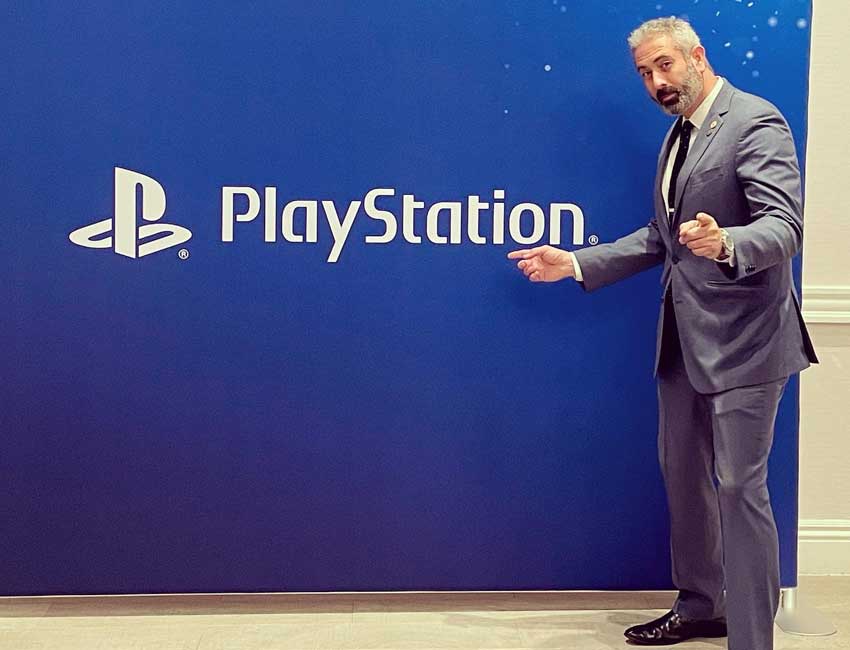
So-called “networking events” follow a well-worn script: name tags, a bar with premium drinks and free cocktails, people sitting around quietly typing on their phones, and Top 40 hits blasted over the speakers. For 20 minutes, you get to mingle with other corporate drones, exchange a few half-hearted words, and then get your business card out of your wallet and walk away, having had the most unfulfilling conversation possible. That’s been the formula for these events for years, and it’s failing miserably.
This is not the fault of the word “networking”, it is however the blame of the lack of intention that is embedded in most events. In a typical conference or cocktail event with 200 to 500 people, there is NO REASON FOR GUESTS TO INTERACT a level beyond a minimum in order to fulfill their “I HAVE TO BE HERE”. Thus people do just the minimum to be there.Fixing this requires a different approach entirely.
Why Traditional Formats Fall Flat
While we wouldn’t want to overly suppress the potential of unplanned connections, the quality of interactions are just as important to the outcomes of a networking event as their randomness. A structured environment can reduce social friction to generate better quality conversations than an open space that provides no triggers for dialogue at all, leading to fewer conversations actually taking place. The traditional format of the cocktail reception places all of the burden of conversation on the guest, but who is going to reach out to the guest and establish a first point of contact? What will be the threshold to cross the room, the hook to pull someone over, the spark of interest that will cause someone to check out an exhibit or speak with staff.Layering Surprise Into the Experience
You’ve worked hard to put together a great corporate event with interesting content and entertaining things to do, but nothing can top a good surprise for your guests. And I mean nothing. It’s one of the biggest factors in event success. And as for surprise, there’s nothing quite like a little close-up magic, or strollIng close-up magic for short. Magic performed live right before your guests’ very eyes. There’s something about suddenly having conversations with someone where you can both comment on the amazement of a particular situation. That kind of thing can’t be scheduled into an agenda.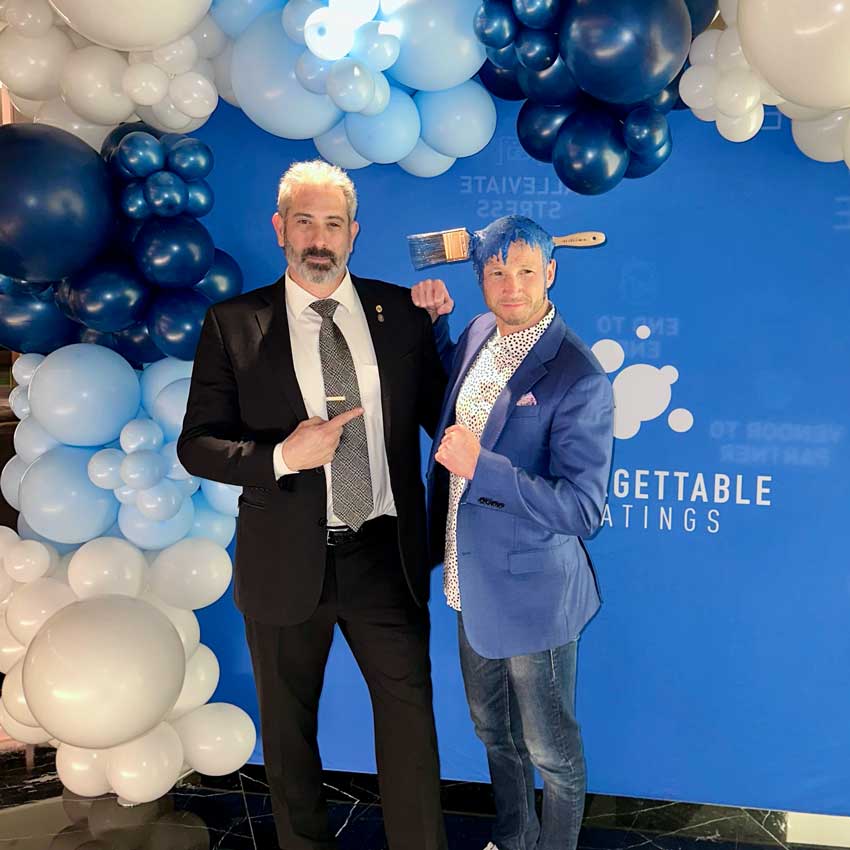
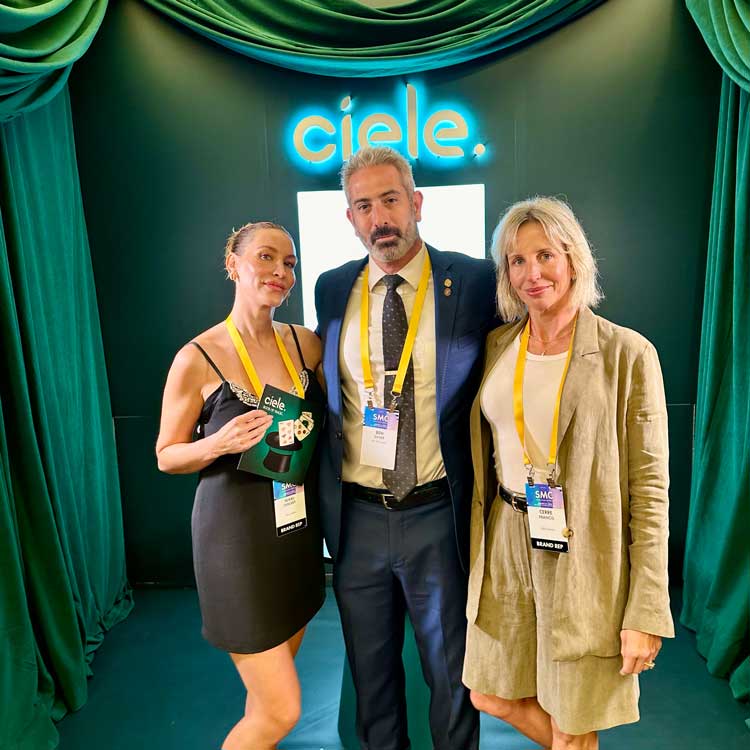
Building Conversation Catalysts Into the Programme
While the main purpose of decorating an event space is to add colour and interest for guests to look at while mingling, ideally an event space will generate conversation topics in and of itself. Here’s how to design a space that does exactly that:- Large scale botanical models of plants and trees viewed from all sides to give a closer look at the structures as opposed to the real thing.
- Rotate seating or facilitate micro-conversations where guests move from table to table and interact with others.
- Content written with reference to real-world situations and challenges and NOT created with a product-centric focus or solely to explain theoretical concepts.
Understand the Context of the Term “Value”
Just like experiential networking is most impactful in industries where experience translates to long-term revenue, real estate and property management companies host client appreciation events, plan full-scale broker tours, and host community-wide gatherings. Ultimately, success in these industries comes down to providing a high-quality experience to guests. Most customer relationships are built on transactions – but the companies that truly stand out know how to make their clients feel something. A well-crafted client event turns a business interaction into a shared experience, and for a property management company this could mean turning a single sale into a long-term relationship. The International Live Events Association measures attendees’ sentiment at corporate events and how that correlates with how people perceive a brand. But, attendees expect more than to simply be processed by a brand and want to be engaged with in meaningful ways. Loyal guests result from such interactions.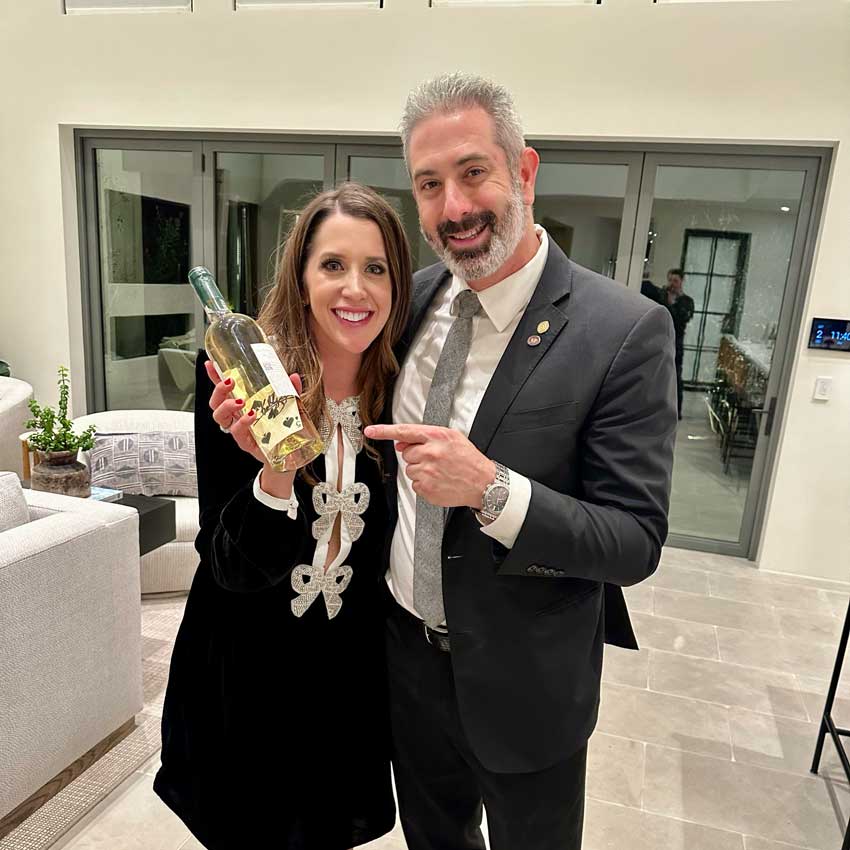
The Framework Worth Following
So, how do you re-imagine a traditional networking event?
- anchor the experience to a main interactive fixture for guests to centre their experience around.
- Design the space to encourage physical movement and interaction in chatty small groups.
- Remove friction from introductions by giving guests a shared reference point
Want employees and clients walking away from your next event saying it was genuinely great? Then make the experience the priority, not an afterthought. People who feel engaged at events tend to feel more connected to the organization overall – and that’s true whether you’re a multinational corporation or a small business. The experience you create is a direct reflection of how much you value the people in the room. It’s not nice to have. It’s the whole thing.